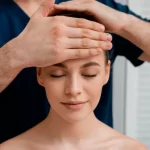
Physiotherapy for Seniors with Parkinsons Disease explores targeted strategies for recovery. Discover new paths to mobility, healing, and personalized care.


Parkinsons disease (PD) is a progressive neurological disorder that commonly affects seniors, causing motor symptoms such as tremors, stiffness, slowed movement, and balance problems. These symptoms can significantly impact daily functioning and quality of life. Physiotherapy plays a crucial role in managing Parkinsons disease by improving mobility, reducing symptoms, and enhancing independence.
In this blog, well explore how physiotherapy supports seniors with Parkinsons disease, the specific techniques used, and the benefits of incorporating physiotherapy into their care.
Understanding Parkinsons Disease
Parkinsons disease results from the loss of dopamine-producing cells in the brain, leading to impaired motor control. Symptoms typically include:
Tremors, usually starting in the hands
Bradykinesia (slowness of movement)
Muscle rigidity
Postural instability and balance problems
Gait disturbances, such as shuffling steps and freezing episodes
Non-motor symptoms, including fatigue, depression, and cognitive changes, also affect seniors with PD.
Why Physiotherapy is Essential for Parkinsons Disease
While there is no cure for Parkinsons, physiotherapy offers a non-pharmacological approach to manage symptoms and maintain function. Physiotherapists design individualized programs to:
Improve strength and flexibility
Enhance balance and coordination
Promote efficient gait and reduce freezing episodes
Address posture problems
Maintain cardiovascular fitness
Assessment and Goal Setting
A physiotherapist evaluates motor symptoms, functional limitations, and overall fitness. Goals are tailored to the individuals disease stage, lifestyle, and personal priorities.
Physiotherapy Techniques for Parkinsons Disease
Strength Training
Focuses on major muscle groups to combat weakness and improve movement control.
Flexibility and Stretching
Counteracts rigidity and maintains joint range of motion.
Balance and Postural Training
Exercises challenge stability and improve upright posture to reduce fall risk.
Gait Training
Includes techniques like cueing strategies (visual or auditory cues) to overcome freezing and improve step length and rhythm.
Cardiovascular Conditioning
Low-impact aerobic exercises, such as walking or cycling, improve endurance and overall health.
Functional Mobility
Practicing activities of daily living enhances independence.
Cueing and Motor Learning
Using external cues and repetitive practice to facilitate movement initiation and control.
Benefits of Physiotherapy for Seniors with Parkinsons
Reduced rigidity and improved mobility
Enhanced balance and reduced falls
Increased walking speed and confidence
Better posture and reduced discomfort
Improved overall quality of life
Complementary Therapies
Physiotherapy is often part of a multidisciplinary care team including occupational therapy, speech therapy, and medical management.
Tips for Caregivers
Physiotherapists educate caregivers on safe assistance techniques and encourage involvement in home exercise programs.
In conclusion, physiotherapy is a vital component of managing Parkinsons disease in seniors. Through tailored exercises and movement strategies, physiotherapy helps maintain function, reduce symptoms, and enhance quality of life. For Canadian seniors living with Parkinsons, integrating physiotherapy into their healthcare plan offers hope and improved daily living.